

PepsiCo India cuts virgin plastic use in packaging by 6%: ESG update
To reduce material and boost recyclability, the company is shifting foods packaging to mono-material/polyolefin structures and select products to 100% rPET bottles.
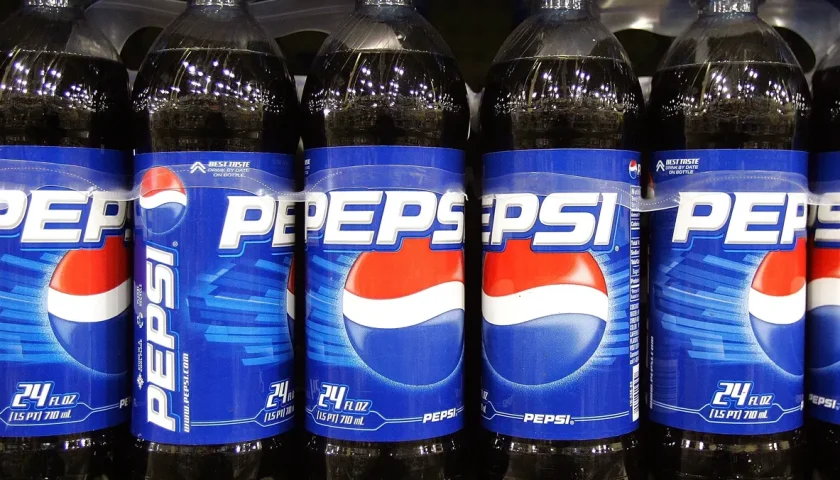
INDIA – PepsiCo has reduced virgin plastic use in primary packaging by 6 percent in India, according to its 2025 ESG Performance Update, with India operations advancing circular packaging through mono-material structures and 100 percent rPET bottles for select beverage products.
PepsiCo India is compliant with local Extended Producer Responsibility requirements for both its foods and beverage businesses.
The company is redesigning packaging to reduce material use and improve recyclability, adopting mono-material and polyolefin-based structures for its foods packaging while transitioning to 100 percent recycled PET bottles for select products.
These changes address a persistent challenge in flexible packaging, where multi-material laminates complicate recycling by bonding incompatible substrates that cannot be separated economically.
Shifting to mono-material designs allows converters and recyclers to recover greater volumes of packaging waste while maintaining barrier performance and shelf life.
Water Replenishment and Regenerative Farming Progress
Globally, PepsiCo has expanded regenerative, restorative and protective farming practices to 4.7 million acres across more than 60 countries, achieved 100 percent water replenishment at company-owned facilities in high-water-risk areas and replenished 23 billion litres of water to local ecosystems since 2010, reaching approximately 97 million people with safe water access.
In India, the company engages with approximately 36,000 farmers across 14 states and sources 100 percent of its chip-grade potatoes locally.
The Pune manufacturing facility reduced water utilisation by more than 90 percent. Biomass accounts for 97 percent of PepsiCo India’s fuel mix.
Technology and Electric Transport Support Value Chain Resilience
Through initiatives such as Mitti Didi, which provides soil-health diagnostics to thousands of farmers, and Lay’s Smart Farms developed with Cropin, PepsiCo is using technology to improve farm productivity.
The Smart Farms programme spans more than 18,000 mapped acres and provides insights to over 7,000 farmers, while micro-irrigation has reached 100 percent adoption across potato farms in key sourcing regions.
The Kosi-Pataudi EV Green Corridor, developed with Kalyani Powertrain and Vayudoot Road Carriers, operates thirteen 32-foot electric container trucks, enabling approximately 600,000 electric kilometres annually.
The company has retrofitted more than 800 vehicles, including distributor-linked last-mile delivery units.
Jim Andrew, chief sustainability officer at PepsiCo, said the company was excited by the momentum built as pep+ continued transforming its business end to end, adding that progress reflected steps to embed sustainability into how the company operated, innovated and grew.
Subscribe to our email newsletters that provide busy executives like you with the latest news insights and trends from Africa and the World. SUBSCRIBE HERE
Be the first to leave a comment